Heel spur/plantar fasciitis
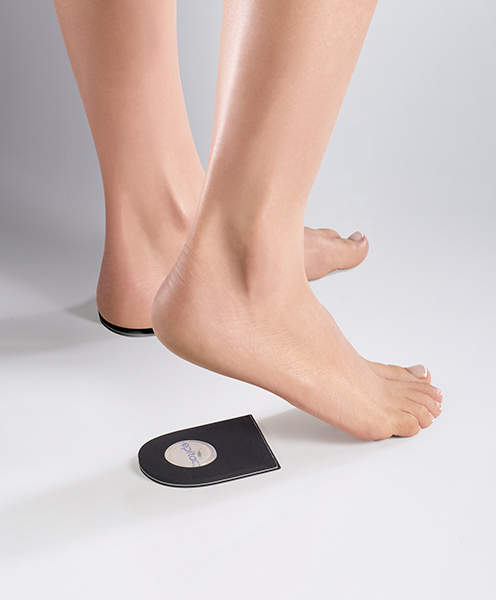
Painful heel, heel spur : silicone protections, heel lifts against plantar fasciitis pain.
Free Shipping 
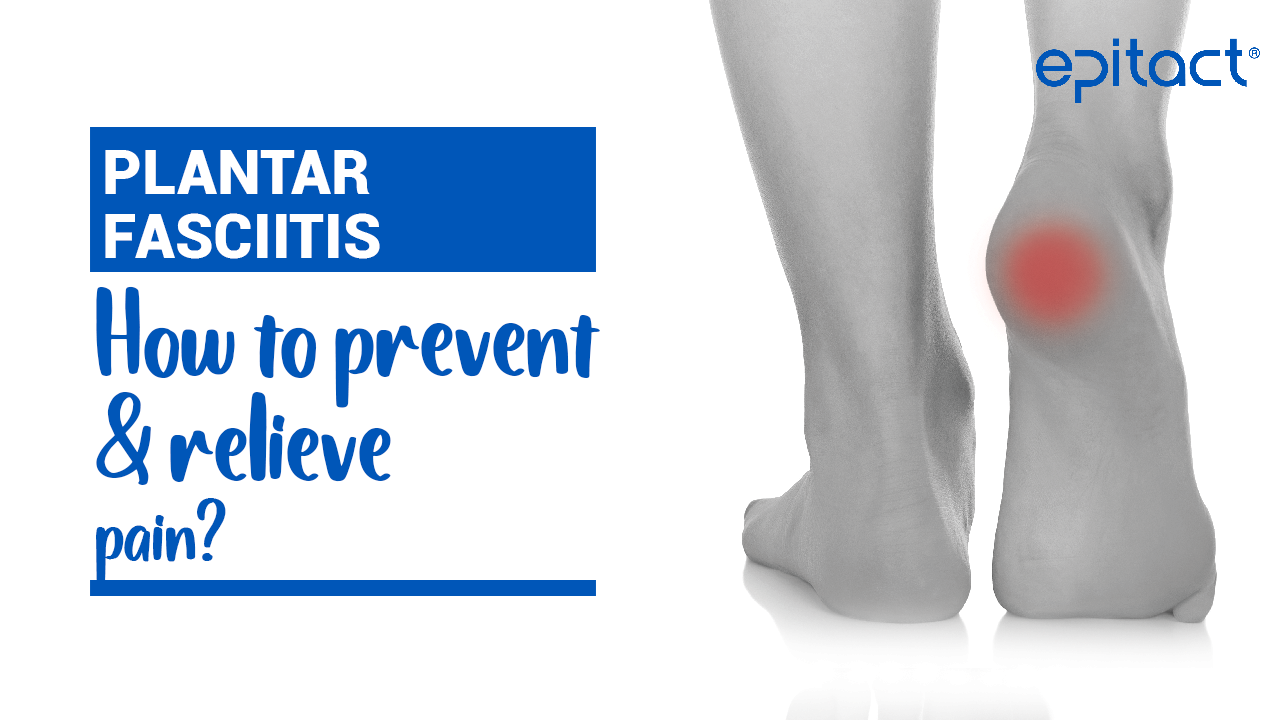
Plantar fasciitis or plantar aponeurosis (heel spur) is characterized by pain (especially in the morning), between the heel support area and the start of the arch of the foot. An X-ray of the heel often highlights the presence of a bony outgrowth of the bone of the heel, which points towards the forefoot. Some may think that this spine, called 'calcaneal spur' is causing the pain. But it is not the case. The spine is the consequence of excessive pulls exerted on the aponeurosis; the tendon connecting the forefoot to the heel.
Heel spur is very painful.
FALSE! Most of the time, the heel spur is not responsible for the pain under the heel. It is rather the tendon (plantar fascia) which links the calcaneus (heel bone) to the forefoot. Indeed, excessive strains on the fascia lead to painful inflammation. It may also lead to an ossification process with the formation of a bony spine at the basis of the calcaneus.
Surgery is the only way to relieve a heel spur permanently.
FALSE! Other options can relieve the pain related to heel spur. The administration of anti-inflammatories, massages, stretching exercises, physiotherapy sessions and insoles can soothe the pain. As a complement, you can wear the EPITACT® heel lifts designed to absorb shocks while walking. If all this is not sufficient, injections or surgery will be considered.
X-ray is the only way to diagnose a heel spur.
TRUE and FALSE! Firstly, your doctor and/or podiatrist will apply high pressure on your heel to assess your pain. Although your doctor is able to establish the diagnosis at this moment, it can only be confirmed by an X-ray.
Pharmacie