Carpal Tunnel Syndrome
Painful fingers & hand, carpal tunnel syndrome: silicone protections
Free Shipping 
The Carpal Tunnel Syndrome (CTS) affects approximately 162,000 people in the United Kingdom.
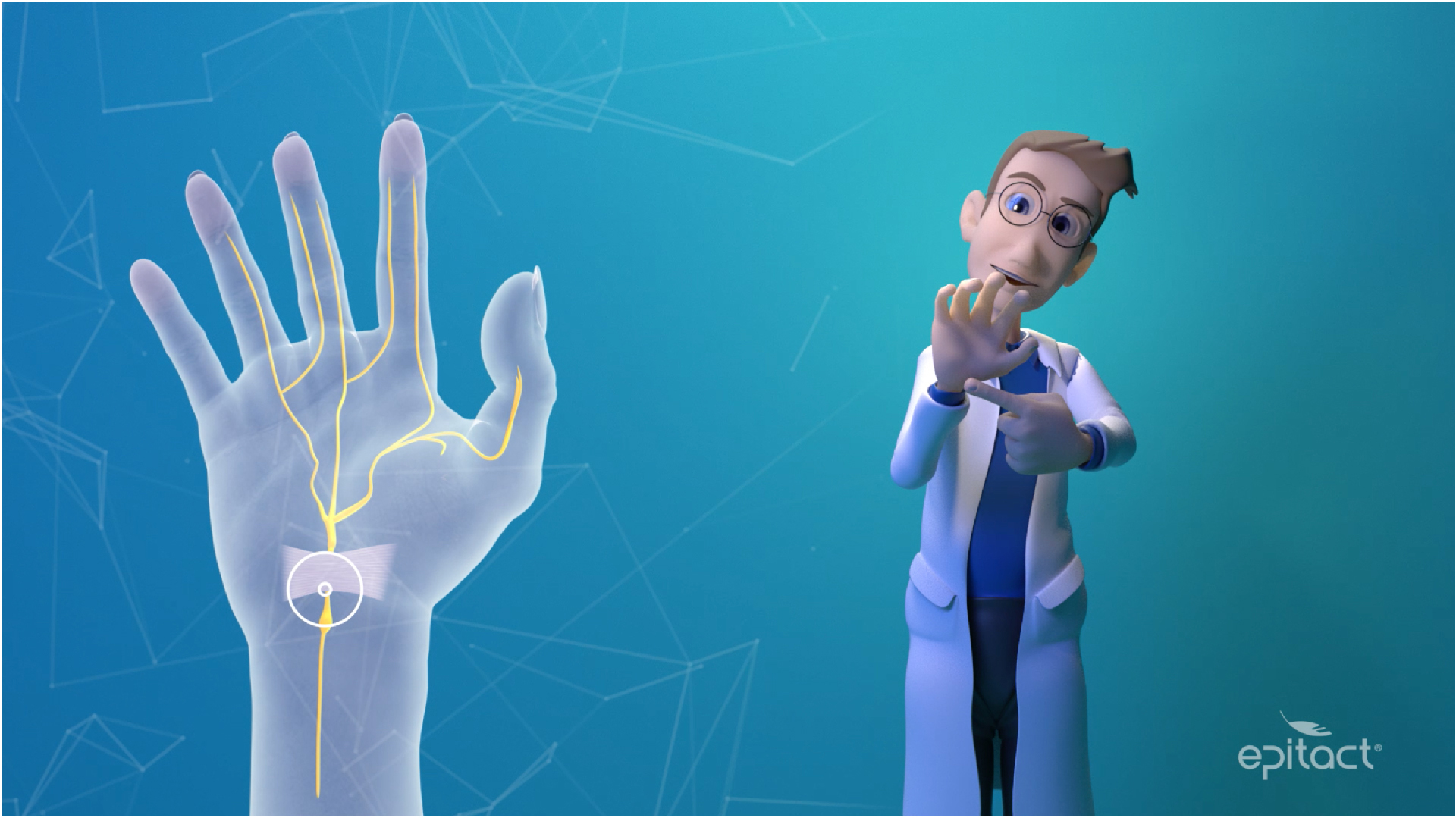
It is due to the compression of the median nerve, at the level of the wrist in the carpal tunnel. In the professional context, trades involving repetitive manual labour are the most at risk. Similar actions in a domestic or recreational setting can produce the same effects. CTS is usually characterized by tingling in the hand at night or in the morning when waking up.
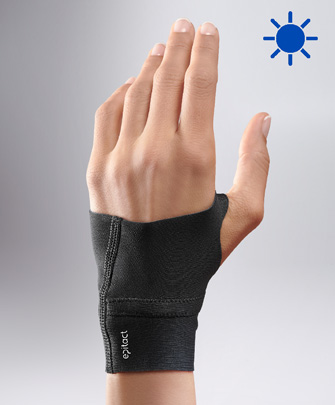
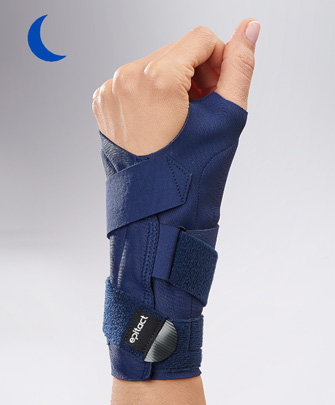
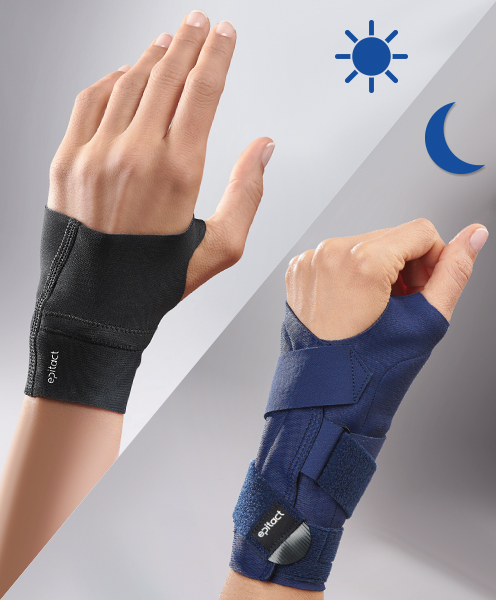
The EPITACT® activity solution preserves your wrist during your manual activities during the day!
Source: Estimation of CTS Prevalence in adult population in western European countries: a systematic review.
Carpal tunnel syndrome (CTS) is linked to a blood circulation problem.
FALSE! The symptoms of CTS (tingling in the fingers, loss of sensitivity...) are not related to poor blood circulation but to a problem of innervation: the median nerve, responsible (neurologically) for the flexion of the thumb, the index and middle finger, is compressed inside the carpal tunnel located in the wrist.
Carpal tunnel syndrome (CTS) is linked to osteoarthritis.
SOMETIMES - The causes of CTS are many and osteoarthritis can be one of them. Osteoarthritis of the wrist is often linked to a history of trauma (fracture): it can lead to bone growth that leads to narrowing of the carpal tunnel. The volume then available inside this channel is less and the median nerve is compressed.
The carpal tunnel syndrome (CTS) is common during pregnancy.
TRUE! The CTS is indeed frequent in pregnant women. The hormonal changes of the pregnancy lead to an increasing in the water retention and facilitate the development of an oedema. The tissues, including the wrist ones, tend to swell. Inside the carpal tunnel, the available space for the median nerve is then reduce and its squeezing causes sensory problems.
Pharmacie